The Phenomenon:
Under the Hidden Sky
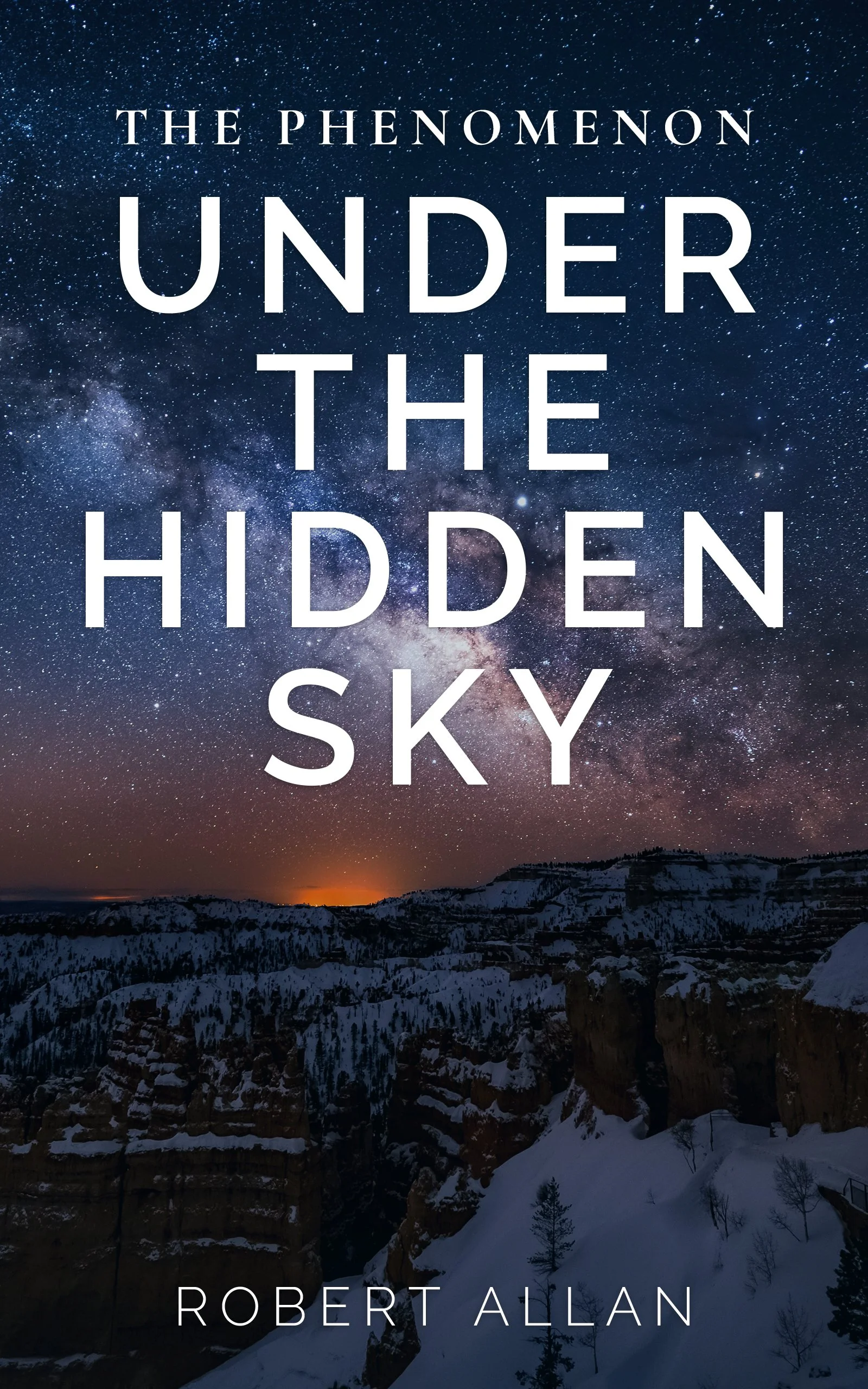
What the UAP Evidence Actually Shows
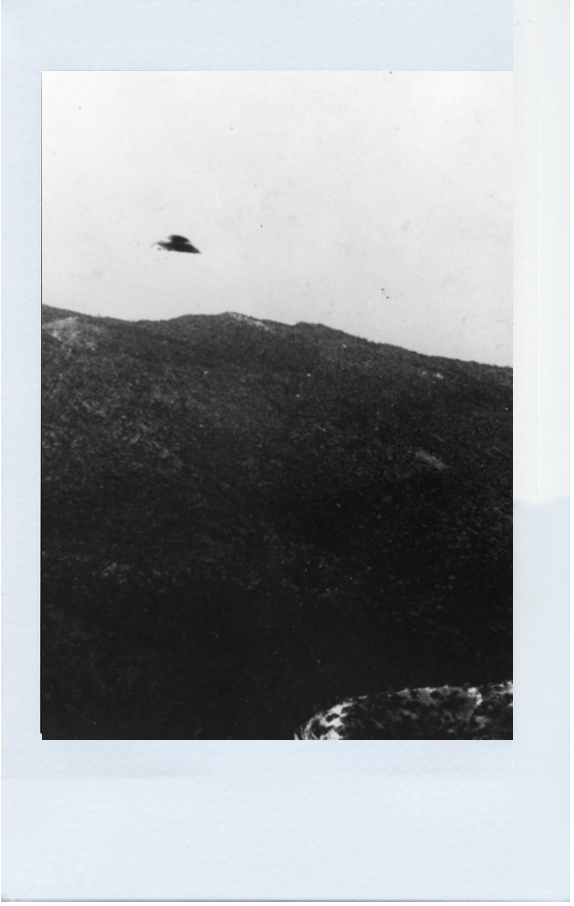
For eighty years, pilots, radar operators, generals, and scientists have reported something in the sky that doesn’t fit any familiar category. The culture turned it into a punchline. The evidence kept accumulating.
This book is a guide to that evidence for readers coming to the UAP/UFO subject fresh: the strongest cases, the serious theories, the long institutional history of looking away, and the four-thousand-year record of encounter that preceded all of it. It doesn’t tell you what to believe. It shows you the record and lets you decide.
"I resisted this subject for a long time. I was wrong.
I want to say that plainly, before anything else."
— Robert Allan
What the book covers
The evidence. The Nimitz encounter. Rendlesham Forest. The 1967 Malmstrom missile shutdowns. Radar-visual cases, physical-trace cases, and the sensor footage the Pentagon itself released. The cases that survive scrutiny — and why they survive it.
The theories. Extraterrestrial, interdimensional, ultraterrestrial, cryptoterrestrial, psychosocial — and Jacques Vallée's control-system hypothesis. Each one tested against the same data, with its weaknesses stated plainly.
The history. How the 1953 Robertson Panel manufactured the ridicule, what Project Blue Book actually did, and how eight decades of official dismissal gave way to AATIP, AARO, and sworn testimony before Congress.
The long record. The medieval chronicles, the Second Temple apocalyptic texts, the Mesopotamian tablets, and the indigenous traditions that documented the same phenomenon centuries before the modern era named it. Why the continuity is legible, and what it changes about the question.
What People are Saying:




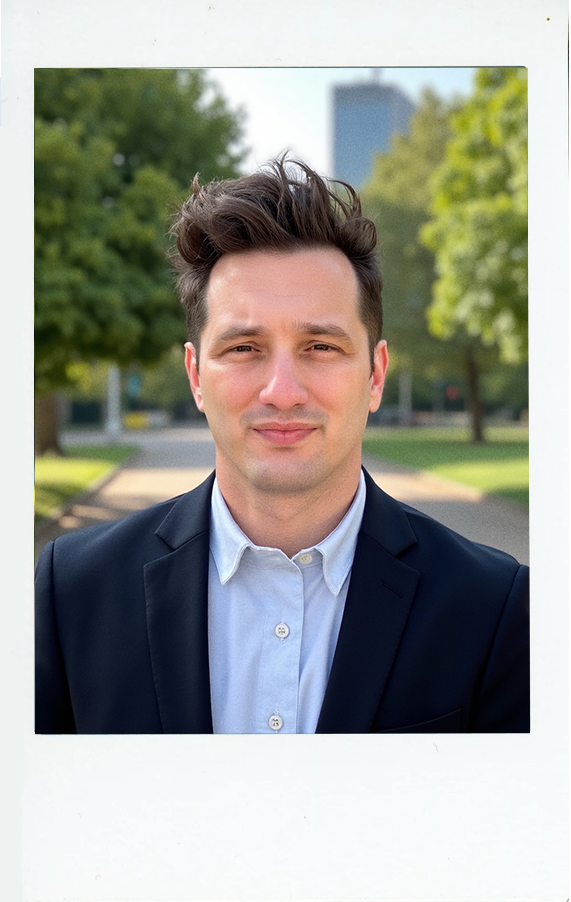
The Author
Robert Allan has spent the better part of a decade tracing the Phenomenon across cultures, centuries, and declassified government archives.
A lifelong student of the unexplained, he grew up in the Ohio Valley and lives outside of Pittsburgh, Pennsylvania. The Phenomenon: Under the Hidden Sky is his debut. He is working on a companion book on the four-thousand-year record of encounter.
I wrote this book to take UAP seriously without taking it uncritically. If it changed how you think about the evidence, one thing helps more than anything else: an honest review on Amazon. Not persuasion, just your actual read.

Frequently Asked Questions
-
It is a skeptical-friendly primer on the UAP phenomenon for readers who are new to the subject or who have only followed the recent headlines. The book maps the modern evidence, the major theories, and the long historical record that stretches back well before the modern UFO era. It does not push a single conclusion. It gives you the framework you need to think clearly about the question.
-
The curious newcomer. Readers who have seen the news about congressional hearings, whistleblowers, and Pentagon footage but do not know where to start. Readers who are skeptical of both the hype and the reflexive dismissal, and who want to see the strongest evidence before deciding what they think. No prior knowledge of UFOs, UAP, or the disclosure debate is required.
-
UFO, unidentified flying object, is the older and more familiar term. UAP, unidentified anomalous phenomena (previously unidentified aerial phenomena), is the term used in recent Pentagon reports and congressional hearings. The book uses both, since it follows the same reported phenomenon across eras that described it differently.
-
Nonfiction. Every account referenced comes from an existing historical text, declassified document, or recorded testimony, checked against the original source. Where sources disagree or a case remains disputed, the book says so.
-
Four things, across three parts. The evidence: radar returns, physical-trace cases, military encounters, nuclear-site incidents, and sensor footage released by the Department of Defense. The theories: extraterrestrial, interdimensional, ultraterrestrial or cryptoterrestrial, plasma-electromagnetic, psychosocial, and Jacques Vallée’s more complex formulations. The institutional record: from the 1953 Robertson Panel and Project Blue Book through AATIP, AARO, and the 2023 congressional hearings. And the long record: the medieval chronicles, the Second Temple apocalyptic texts, the Mesopotamian tablets, and the indigenous traditions that documented the same phenomenon centuries before the modern era named it.
-
No. It does not claim that one unified secret explains everything. The evidence points more toward compartmentalized programs, institutional inertia, and a long-lived policy posture of dismissal than toward a single orchestrated plot.
-
No. It does not wave away the strongest cases. Some reports collapse under scrutiny and should. A meaningful residue does not, and that residue is the reason this book exists.
-
No honest book can offer that yet. What this one offers is a clear look at the anomalous data, the live explanations, and the tools you need to evaluate new claims without reflex belief or reflex dismissal.
-
The print edition runs 332 pages. Three parts. Seventeen chapters plus an introduction and conclusion. Written to be read cover to cover or dipped into by section, depending on where your curiosity leads.
-
Yes. The ebook launched on July 20, 2026 on Barnes & Noble, Amazon, Apple Books, Google Play, and Kobo. Paperback and hardcover editions are available at Amazon and Barnes & Noble.
-
Amazon: ebook, paperback, hardcover
Barnes & Noble: ebook, paperback, hardcover
Apple Books: ebook
Google Play: ebook
Kobo: ebook
-
Kindle / ebook: $7.99
Paperback: $16.99
Hardcover: $29.99
Prices are consistent across retailers.
-
Yes, The Phenomenon is currently available as part of Kindle Unlimited.
-
Not yet. An audiobook edition is under consideration for a future release. If you would like to be notified when one becomes available, sign up for updates on this site.
-
Robert Allan has spent the better part of a decade tracing the Phenomenon across cultures, centuries, and declassified government archives. A lifelong student of the unexplained, he grew up in the Ohio Valley and lives outside of Pittsburgh, Pennsylvania. The Phenomenon: Under the Hidden Sky is his first book.
-
Primary historical texts, declassified government documents, congressional testimony, and original interviews. Each account is weighed on its own terms rather than filtered through a predetermined conclusion. Where the book relies on a specific researcher's work, that researcher and their sources are named.